


By Community Property Care on Oct 29, 2026, 11:00:01 AM
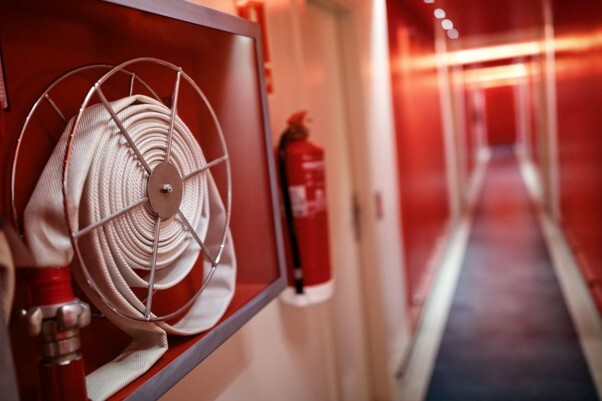
Managing residential property portfolios requires a consistent focus on building safety and effective fire protection. Fire compartmentation is a key form of passive fire protection, helping to limit the movement of fire and smoke through a building.

Understanding what fire compartmentation is, how it works, and how its integrity can be compromised helps Property Managers identify potential risks, maintain appropriate records, and arrange remedial work when defects are found.
Fire Compartmentation Contains Fire And Smoke
Fire compartmentation divides a building into fire-resisting sections using elements such as walls, floors, ceilings, fire doors, and associated fire-stopping systems.
These compartments are designed to limit the spread of fire and smoke between different areas of a building for the period required by the building’s design and applicable fire safety requirements.
Effective fire compartmentation in buildings can include:
- Fire-resisting walls, floors, and ceilings.
- Fire doors and associated doorset components.
- Fire-stopping systems around service penetrations.
- Appropriate protection where ducts and other services pass through compartment boundaries.
When these measures remain intact, they help restrict fire and smoke from spreading unchecked through the building.
Fire Compartmentation Protects Escape Routes And Occupants
One of the main purposes of compartmentation is to support life safety by restricting the spread of fire and smoke.
Maintaining effective compartment boundaries can help protect corridors, stairways, and other escape routes, while supporting the fire and evacuation strategy for the building.
Fire compartmentation requirements will vary depending on factors such as the building’s design, use, fire strategy, and applicable guidance. Property Managers therefore need to understand the requirements relevant to the individual building rather than applying a single standard across every property.
Fire Stopping Protects Openings And Service Penetrations
Compartmentation and fire stopping are closely linked but are not the same thing.
Compartmentation refers to the wider system of fire-resisting walls, floors, and other barriers. Fire stopping is used to maintain the integrity of those barriers where openings have been created.
Residential and commercial buildings contain numerous services, including:
- Pipes.
- Electrical cabling.
- Data cabling.
- Ventilation systems.
- Ductwork and other building services.
Where these services pass through a compartment wall or floor, the opening must be appropriately protected to maintain the required fire resistance.
Suitable fire-stopping systems should be selected for the particular application, supported by appropriate test or assessment evidence. The appearance or colour of a product alone does not demonstrate that it is suitable. The system should be appropriate for the substrate, service type, opening, and required performance.
Compartmentation Failures Are Often Hidden
Many defects affecting fire compartmentation in buildings are difficult to identify during normal property inspections because they are located above ceilings, inside risers, within plant areas, or behind other building finishes.
Common issues can include:
- Unsealed penetrations created during electrical, plumbing, or communications work.
- Missing or damaged fire stopping.
- Historic repairs that have not been properly reinstated.
- Inappropriate or mismatched fire-stopping products.
- Unrecorded alterations within ceiling voids or service risers.
This means a building may appear well maintained during a routine site visit while still containing hidden breaches in its passive fire protection.
Fire Compartmentation Supports Building Compliance
Maintaining effective passive fire protection forms part of wider fire safety management.
Under the Regulatory Reform (Fire Safety) Order 2005, duties depend on who is the Responsible Person and who otherwise has control over relevant parts of the premises. Property Managers and managing agents may support these duties through inspection coordination, maintenance, record keeping, and remedial work, depending on the management arrangements in place.
The building’s Fire Risk Assessment, fire strategy, and available building information can also help determine whether further investigation is needed and what fire compartmentation requirements apply to the property.
Failure to identify or address significant defects can create safety and compliance risks and may result in enforcement action where legal fire safety duties are not being met.
What To Do When Compartmentation Breaches Are Found
When a suspected breach or unsealed service penetration is identified, Property Managers should take a structured approach.
This may include:
- Recording The Location: Document the precise location and nature of the suspected defect.
- Preventing Further Uncontrolled Work: Avoid allowing additional unmonitored alterations in the affected area.
- Arranging Competent Assessment: Instruct an appropriately competent specialist to determine the extent of the issue.
- Completing Suitable Remedial Work: Use appropriate fire-stopping systems and competent installers for the required repair.
- Recording Completion Evidence: Keep photographs, reports, and evidence of the remedial action for future reference.
Clear documentation helps Property Managers track identified defects from discovery through to resolution.
For more detail on identifying hidden breaches and documenting remedial requirements, read our blog on fire compartmentation surveys.
Inspection And Remediation Help Maintain Compartmentation
Fire compartmentation can be compromised over time by maintenance works, service installations, refurbishment, and general alterations to the building.
Structured inspections and compartmentation surveys can help identify hidden defects, assess the condition of fire-resisting barriers, and provide photographic evidence of areas requiring attention.
Clear reporting also gives Property Managers a practical basis for prioritising remedial work and maintaining an audit trail of what has been identified and completed.
CPC supports Property Managers with fire compartmentation surveys, structured reporting, and appropriate remedial support across residential and commercial property portfolios.
Speak to Community Property Care about fire compartmentation surveys, photographic reporting, and remedial support across your portfolio.

Image Source: Envato
No Comments Yet
Let us know what you think