


By Community Property Care on Oct 30, 2026, 10:40:51 AM

By the time a residential development has its first grass cut of spring, some of the decisions that shape its appearance have already been made. Leaves left over turf, machinery used on saturated ground and shrubs cut back at the wrong time can all leave problems that a spring tidy-up will struggle to put right immediately.

Effective autumn grounds maintenance is about more than keeping communal areas tidy. The work carried out during the colder months can influence how lawns, planting beds and shared outdoor spaces recover when spring arrives.
For a property manager, that can mean explaining bare patches, poor flowering or another request for remedial spending just as residents expect the grounds to improve. Autumn grounds maintenance gives you a chance to address the causes earlier and agree what needs attention before the next growing season.
The right programme depends on the development. Weather, drainage, soil and the way residents use the grounds all affect the result. More work is only useful when it answers a real need.
Leaf Clearance Protects The Lawn You Want To See In Spring
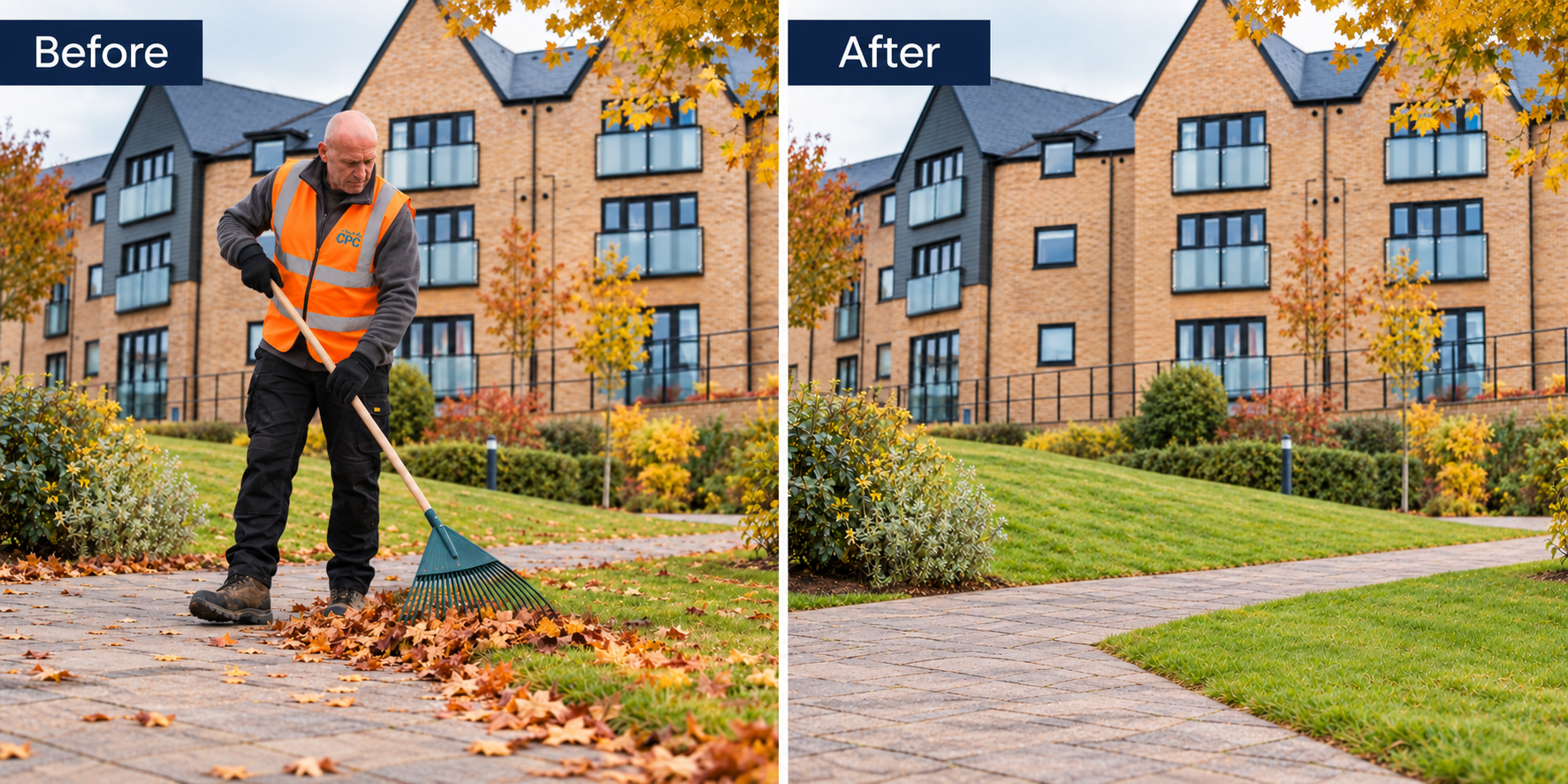
A thick layer of fallen leaves blocks light from reaching grass. If it stays in place, the lawn can thin, leaving areas that need time or repair to recover. Clearing heavy accumulations during autumn helps protect the existing turf.
Priorities also matter. Entrances, steps, routes to bin stores and surface drainage points need attention as leaves collect. A single clearance early in the season may leave plenty still to fall, so visits should reflect the trees on site and the conditions between visits.
There can still be room for leaves in suitable planting or habitat areas, and collected leaves can be used to make leafmould where space allows. Agree those areas so residents understand the plan and leaves are kept away from places where they cause problems.
Grass Cutting Should Follow Growth And Ground Conditions
Grass can continue growing during a mild autumn, so a fixed date for the last cut is a poor guide. Equally, taking a mower onto waterlogged or frosty turf can damage the surface and leave a poorer lawn for spring.
A contractor should adapt the timing and cutting height to the grass and conditions. If mowing would cause damage, the property manager needs a clear explanation of what has been deferred and when it will be reviewed. A photograph of the ground conditions is more useful than an unexplained missed task.
Lawn Treatments Need A Reason
Compacted or worn areas may benefit from aeration, scarifying or reseeding, but these jobs should follow an assessment. They do not all need doing every year. Early autumn can offer suitable conditions for renovation while the ground is warm and grass has time to establish.
By late autumn, the opportunity may have passed. Forcing seed or intensive work onto cold, saturated ground can waste the budget. Where conditions are unsuitable, record the issue and plan the work for a better window.
Effective residential grounds maintenance means recognising when work should be postponed, particularly if wet ground conditions could cause further damage or make treatments less effective.
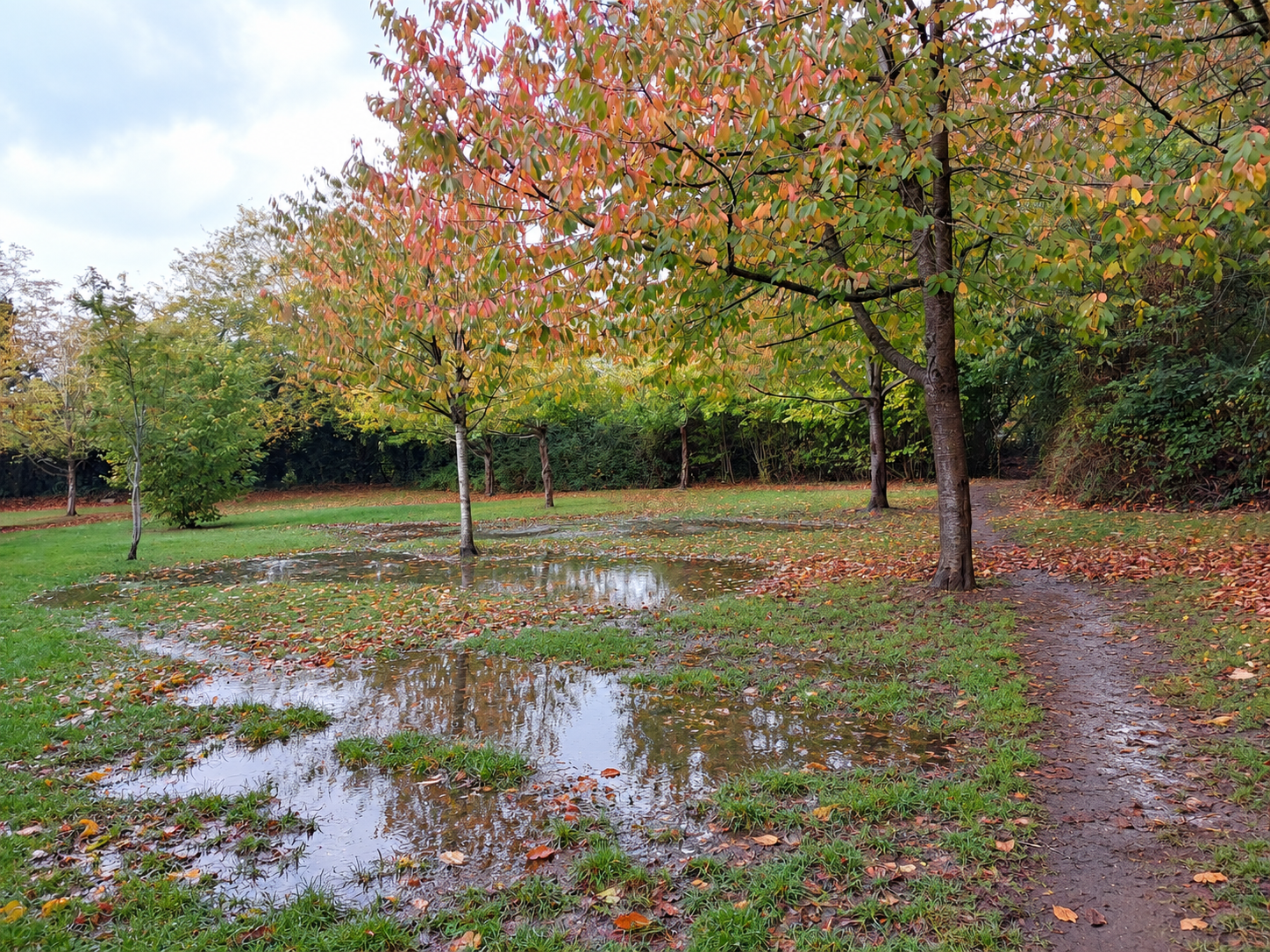
Feeding should also respond to the condition and purpose of the lawn. Healthy grass may need no extra feed, and a wildflower area needs a different approach. Repeated waterlogging deserves investigation: a lawn treatment alone may not resolve an underlying drainage problem.
The Wrong Cutback Can Reduce Spring Flowering
Many spring-flowering shrubs form flowers on growth made during the previous season. Cutting them back hard in autumn can remove the growth that would carry the display residents expect next year.
Plant identification should guide pruning. A mixed border will not necessarily benefit from everything being cut to the same height on the same visit. Appropriate seedheads and ornamental grasses can also be retained for winter interest and wildlife, while keeping access routes clear.
Where a development has a landscape management plan, meadow areas or habitat commitments, seasonal work needs to follow those requirements. Explain deliberate retention in the site report so it is understood as part of the maintenance plan.
Look Beneath The Surface Of The Borders
Weeding and suitable mulching can help borders enter spring in better condition. Applied over weeded, moist soil, an appropriate mulch helps suppress weeds and conserve moisture. Keep it clear of woody stems and avoid covering low-growing plants.
A fresh layer is not automatically needed everywhere. Check the existing coverage and the planting before ordering more. Similarly, replacing failed plants without considering drainage, shade or damage risks paying for the same failure again. Establish why a plant struggled before agreeing to a replacement.

Put The Budget Against The Cause Of The Problem
Before approving additional residential grounds maintenance work in autumn, ask what is already included in the maintenance agreement. Routine seasonal tasks, necessary repairs and optional improvements should be explained clearly, with a reason for any extra charge.
A heavily wooded development may need more leaf clearance than an open estate. Worn grass beside a busy shortcut may need a review of how the space is used. Repeated ponding may require drainage advice rather than repeated surface tidying. Each needs a different response.
Where the existing programme is delivering the agreed standard, it may be enough. Prioritise work that protects the grounds or resolves a recurring issue, then consider enhancements such as extra planting. No contractor can promise a perfect spring regardless of weather and site conditions, or guarantee a saving from every autumn task.

Turn Observations Into Action While There Is Time To Plan
At CPC, our approach to grounds maintenance for managing agents means acting as eyes and ears on site. Photographic reports help property managers see the work completed and issues needing attention. Where appropriate, our repairs team can assess a defect and quote for remedial work.
Preparing communal grounds for spring is easier when photographic records highlight recurring problems early, giving Property Managers time to assess priorities and arrange suitable work.
For example, if a cleared drainage point still has standing water around it on later visits, a useful report should identify the location, show the recurring problem and recommend further assessment. That gives the property manager something specific to progress before the next season.
An observation needs a follow-up as well as a photograph. Record who will review it and whether work is agreed, deferred or awaiting approval. Tree concerns should be flagged for a competent specialist; routine grounds attendance does not replace a formal tree inspection.
A reliable approach to grounds maintenance for managing agents should also make it clear which tasks are included in the existing contract and which require separate approval.
Five questions to ask your grounds maintenance contractor
- Which autumn tasks are included, and how will visits reflect leaf fall and ground conditions?
- What problems are likely to affect presentation next spring, and what is causing them?
- Which plants need attention now, and which should be left until a more suitable time?
- What evidence supports any additional work, and what happens if we defer it?
- How will completed work and outstanding issues be reported and followed up?

Review Your Autumn Plan Before Spring Arrives
Preparing communal grounds for spring starts with understanding what the grounds need now, what can wait and what is already covered. That gives property managers a clearer basis for budgeting and explaining decisions to residents.
Community Property Care supports residential developments across England and Wales with grounds maintenance, photographic reporting and repairs. If you are reviewing your autumn programme, speak to the team at CPC about identifying recurring site issues, prioritising necessary work and planning practical improvements before the next growing season.


Autumn Grounds Maintenance Checklist: What Property Managers Should Prioritise

How Often Should Playground Inspections Be Carried Out?

No Comments Yet
Let us know what you think